Home · Sitemap · Book Series · All Tags · Random · Stars
Home > books > 2026 > 2026-10-25_078_Colson_Whitehead_The_Underground_Railroad.html
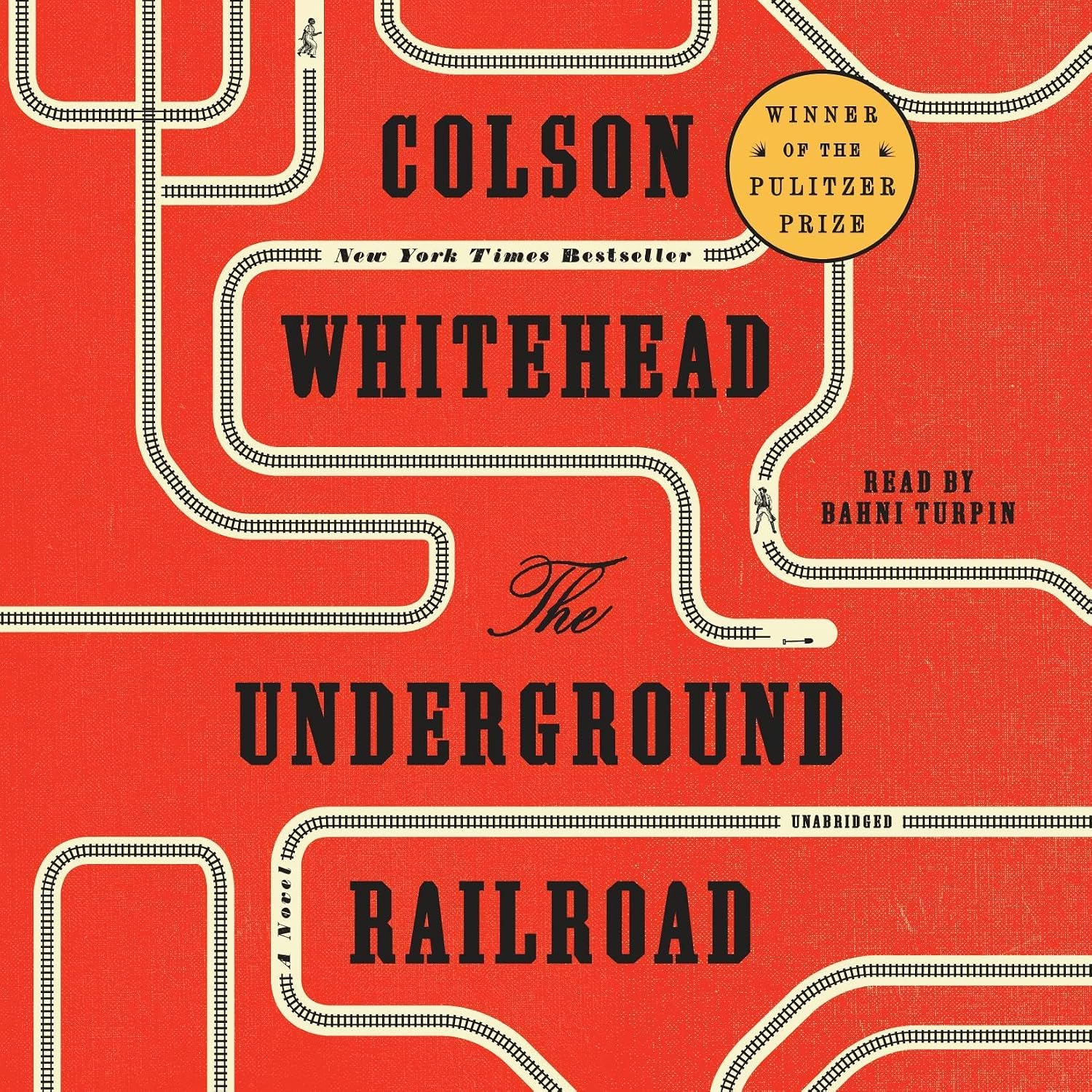
Colson Whitehead - The Underground Railroad Sunday, October 25, 2026
/books/2026/2026-10-25_078_Colson_Whitehead_The_Underground_Railroad.html
/_id/453
By: Colson Whitehead
Narrated by: Bahni Turpin
Length: 10 hrs and 43 mins
Release date: 08-02-16
I know this is much beloved by prizes, NYTimes, and even Goodreads, but I wasn't feeling it the same way due to the loss of trust in the veracity of the historical universe.
I think magical realism detracts from historical fiction because historical fiction is supposed to bring you back and let you see the world from that time and place. But magical realism, especially when it is hard to discern the real from the magic, or even the speculative, makes you question the whole affair.
For example, in The Underground Railroad, the existence of an actual railroad is clearly made up, and I don't necessarily object to that. But it meant I lost trust in the author when discussing life in the different states. I didn't know what was real and what was made up.
I would find magical realism less objectionable if it were clear what was invented. I don't expect every character or event in historical fiction to be real, but I want to be able to trust the historical world the author is presenting. Otherwise, instead of learning about life in that time and place, I'm left questioning which parts of the novel I can believe.
I had a longer chat with ChatGPT about this and I liked the summary. Saved here for posterity:
There are three main perspectives on magical realism and historical fiction:
1. The historical authenticity perspective (your view)
Historical fiction should immerse readers in a credible reconstruction of the past while allowing them to learn about the period.
- Fictional characters and dialogue are acceptable, but historical settings, institutions, and events should remain reasonably accurate.
- Magical realism, anachronisms, and invented historical circumstances can undermine trust in the author's portrayal.
- The central problem isn't that something is invented, but that readers cannot reliably distinguish historical facts from inventions.
- In The Underground Railroad, the literal railroad is clearly fictional, but the invented social conditions in different states are not so easily identifiable.
2. The artistic and thematic perspective
Historical fiction need not reconstruct the past literally. It can instead communicate deeper truths about historical experiences.
- Magical realism can represent cultural beliefs, collective memory, trauma, and historical experiences that conventional realism struggles to express.
- Invented events may convey genuine historical patterns even when the specific details are inaccurate.
- In The Underground Railroad, the different states symbolize forms of racial oppression across American history, rather than accurately depicting each state's history in the 1850s.
- The goal is historical or emotional truth, not necessarily historical precision.
3. The middle-ground perspective
Historical fiction can pursue both artistic freedom and historical authenticity, but authors should be conscious of the expectations they create.
- Obvious fantastical elements are not necessarily a problem.
- Historically plausible inventions are more troublesome because readers may mistake them for facts.
- Author's notes, historical afterwords, or contextual framing can help readers distinguish fact from invention without restricting artistic freedom.
- The issue is less whether authors should invent history and more whether readers are given adequate tools to recognize those inventions.
The fundamental disagreement
Ultimately, the disagreement concerns what historical fiction owes its readers.
Your position emphasizes the reader's ability to understand what actually happened. The artistic perspective emphasizes the author's freedom to reinterpret the past to communicate broader truths.
The middle-ground position recognizes both aims but argues that artistic invention need not come at the expense of the reader's historical understanding.
Your criticism is therefore not so much "magical realism doesn't belong in historical fiction" as "historical fiction loses some of its value when the reader can no longer trust it as a representation of the past."
Currently viewing
245ee2d3
from
2026-10-25 15:05:06 -0600.
See other versions.
/books/2026/2026-10-25_078_Colson_Whitehead_The_Underground_Railroad.html?rev=245ee2d3
/_id/453?rev=245ee2d3